🍼 Hand‑Rearing Kittens – A Guide for When Mommy Isn't There
💛 A gentle note before we begin: This guide is for emergency and supportive care. It's not a replacement for veterinary advice — if you're unsure, always call your vet.
Losing a mother cat during or after birth is heartbreaking — for her, for the kittens, and for you. But it doesn't mean the end of the story. With patience, warmth, and the right care, you can step in and give those tiny lives a fighting chance.
Hand‑rearing kittens is hard work — but it's also deeply rewarding. Here's what you need to know.
🕒 First Things First — Time is Everything
- Keep them warm: Newborn kittens can't regulate their body temperature. Use a heating pad (on low), a warm water bottle wrapped in a towel, or a heat lamp — and make sure they have room to move away if they get too warm.
- Call your vet: They can check the kittens and give you specific advice for their age and condition.
- Find a foster mother: If possible, some vets or shelters know of nursing cats who may accept extra kittens.
🍼 Feeding — What, How, and How Often
- Use kitten milk replacer (KMR): Never use cow's milk — it's not suitable for kittens and can cause digestive issues.
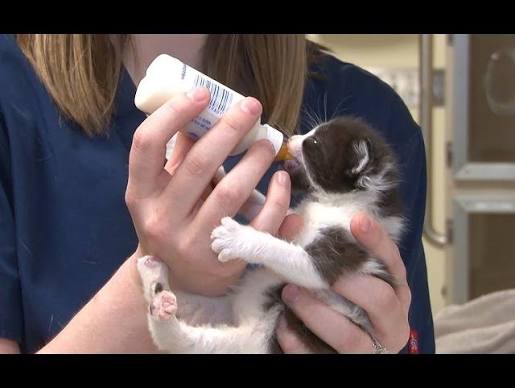
- Feed on their stomachs: Always feed kittens lying on their stomachs — never on their backs (they can aspirate).
- Frequency: Newborns need feeding every 2–3 hours, including through the night.
- Warm the milk: It should be body‑temperature (around 38°C). Test on your wrist before feeding.
- Let them set the pace: Kittens will stop when they're full — don't force feed.
🚽 Toileting — Yes, You'll Need to Help
Mother cats stimulate their kittens to go to the bathroom by licking them. Without her, you'll need to step in.
- After each feed: Gently wipe the kitten's genital area with a warm, damp cotton ball or soft tissue.
- What to expect: You should see a small amount of urine and/or stool — it's normal for it to be soft.
- If they don't go: Don't panic — try again at the next feed. If they haven't gone in 24 hours, call your vet.
🌡️ Temperature — Warmth is Life
- Keep the nest warm: Around 29–32°C for the first week, then gradually lower.
- Watch for signs of cold: If kittens are huddled together, crying, or feel cool to the touch — warm them up slowly.
- Avoid overheating: Make sure they can move away from the heat source if they need to.
🧡 Socialisation and Love
- Handle them gently: Regular, calm handling helps them bond with humans.
- Talk to them: Your voice is comforting — and will become a familiar sound.
- Be patient: Some kittens are more sensitive than others — respect their limits.
🩺 When to Call the Vet
- If a kitten stops feeding: This is often the first sign of trouble.
- If they're losing weight: Weigh them daily — any loss is a warning.
- If they seem weak or lethargic: Trust your gut — if something feels off, get help.
- If they're not toileting: This can lead to serious issues quickly.
💛 A Gentle Reminder
Hand‑rearing kittens is exhausting — and emotional. You may feel anxious, overwhelmed, or heartbroken. That's normal. You're doing something extraordinary — and it's okay to ask for help when you need it.
Even if you lose one — you gave that little life warmth, love, and dignity. That matters.
← Back to Blog